
What Your Favorite Characters Can Teach You About Direction
Drawing inspiration from the stories that comfort us.

Hi there, friend.
For the last couple of weeks, I’ve been rewatching the show Superstore. I didn’t think I would like it when it came out, but it had a few actors I like, so I gave it a shot. I also wondered how it would compare to the reality of working in a big box store.
In high school, I worked for one, and then a few years later I did again. I’d love to say that everything in the show is completely far-fetched, but many of the things you see on the show happened in real life.
One of my workmates once sliced his hand open because we were having inline skate races on the second floor of the warehouse. He was losing control and reached out toward a metal shelf support but was going too fast. It’s amazing how much a hand can bleed when you’re trying to hide the fact that someone is injured. The memories of the silliness is a big reason why I enjoy watching the show.
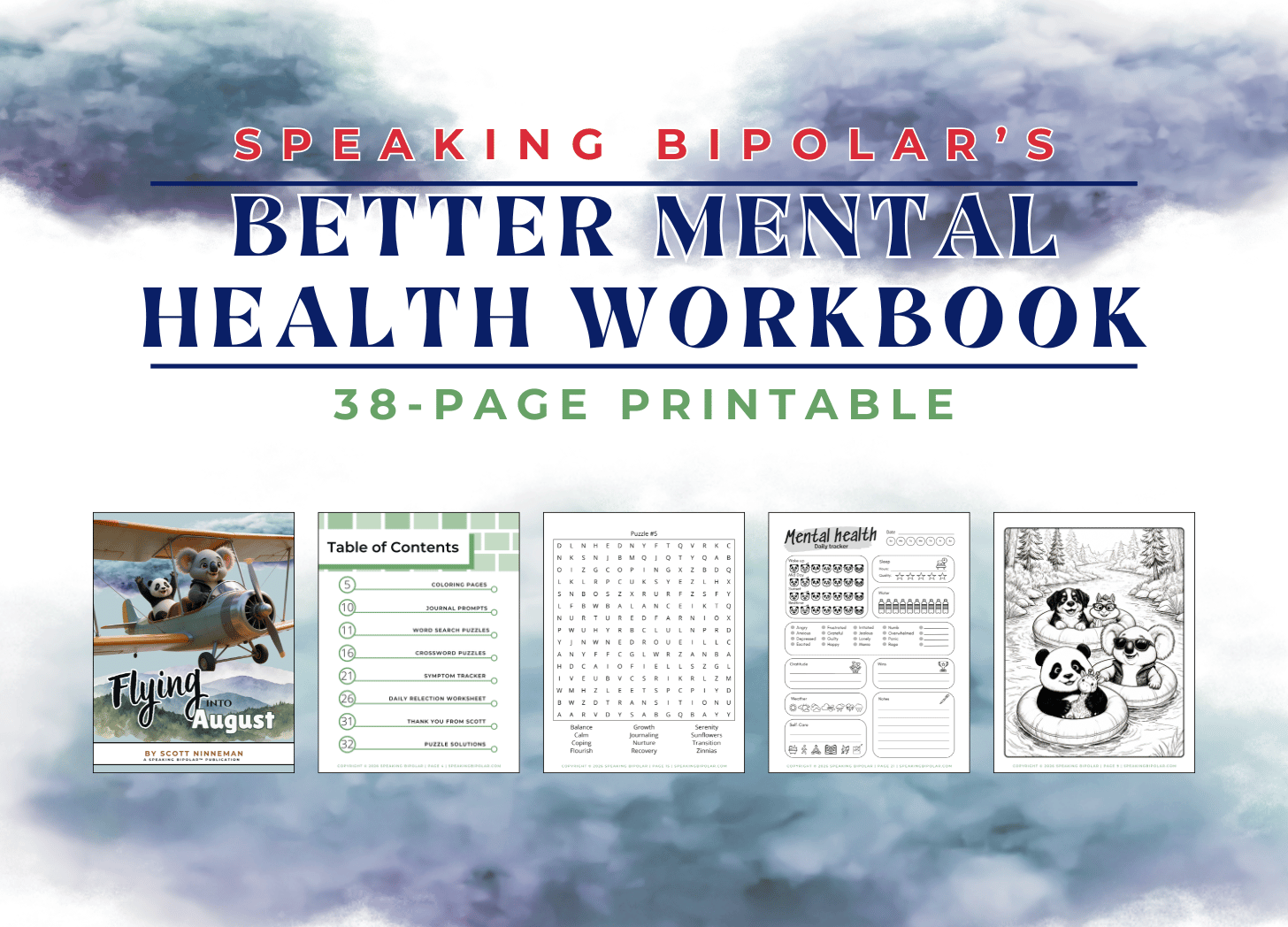
Sign up for a paid subscription and get a copy of this month’s workbook free. Check out the workbook here.
The issue I’m facing is that I’ve been spending too much time watching TV. The more I watch, the more I feel like I’m failing myself, like I should be doing something productive and I’m not. Yes, I know rest is an essential part of mental health care, but I still feel guilty when the TV is on too much. Do you ever feel that way?
Here’s the thing I realized: sometimes the fictional journeys that we watch often mirror what’s going on in our own lives, or the things we need to process. The characters we watch can teach us resilience and how to overcome tragedy.
For example, on Superstore, Amy is the most solid character, but hard as she tries, she often turns things into a disaster (such as running into her district manager with a golf cart.) I connect because I often feel like my best intentions turn into a chaotic circus.
Then there’s Jonah. He comes from money and his family wanted him to be a doctor. He tried business school but it wasn’t the right fit. Retail work isn’t his dream but it’s paying the bills while he figures himself out. His character reminds me that you should never live your life based on someone else’s plan.
Even if you hate a show, you may find universal messages in the characters. Watch their resilience, forgiveness, and courage and let it inspire you.
If you’ve just been watching a lot of TV, don’t beat yourself up for it. Think about the characters you see, the ones you love the most, and how they can help you in your life. What about them resonates with you? How can they teach you to move on?
Sometimes your biggest purpose is to cope with what’s going on in your head, not what you’re actually doing with your hands. So enjoy your shows and movies, and let your favorite characters help you grow.
Journal Prompt:
Which fictional character’s journey resonates with you right now, and what can they teach you about your own path?
Until next time, keep fighting.
Scott Ninneman

This week’s theme post:
You Don’t Need a Grand Destiny To Have Purpose

My adventure with monkey grass this year has me thinking about purpose. It’s so easy to get overwhelmed by the pressure of finding your purpose that sometimes you feel like you don’t have any purpose at all. That lack of purpose can make you feel like you have no value, but that’s the furthest thing from the truth.
Scott Ninneman is the author of Speaking Bipolar’s 30 Days of Positivity, Another 30 Days of Positivity, Anchored in the Storm (Guided Journal), and the writer behind SpeakingBipolar.com. Living in the mountains of southeast Tennessee, he spends his days crunching numbers as a tax preparer and his nights caring for his mother and writing stories about bipolar life. (And he loves pandas.)
Disclaimer:
This email may contain affiliate links. If you make a purchase through one of these links, I may receive a small commission at no additional cost to you.