
Healing Is a Valid Full-Time Purpose
Reclaiming your direction on the days you can't do much.

Hi there, friend.
I’m a Gen Xer, and most of us were raised to believe that we should be busy pretty much all the time. In fact, my dad even used to ask us at supper time, “What did you do today to deserve this meal?” If we didn’t have a good answer for how we spent our day productively, there was a chance we didn’t eat at all. (That may sound horrific now, but it was pretty common in the ‘70s.)
That mindset carried with me throughout my life. I’m always thinking about whether I should be doing something more productive. That productivity search can feel like a full-time purpose in itself, but it also can be incredibly damaging to your mental health.
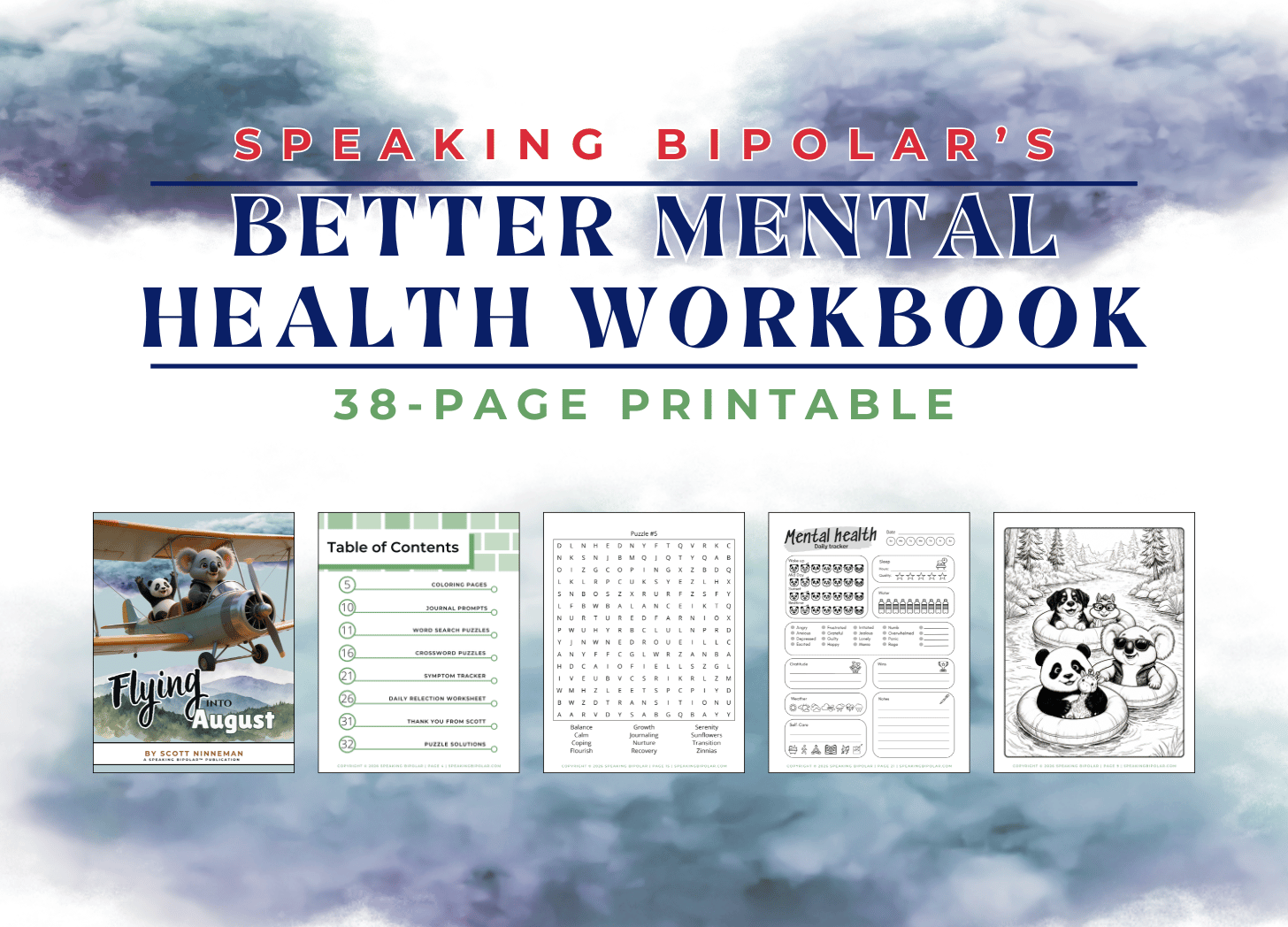
Sign up for a paid subscription and get a copy of this month’s workbook free. Check out the workbook here.
Here’s the thing: when you’re recovering from a mental illness or a severe bipolar episode, healing should be your one and only full-time purpose. Each cycle puts you through a lot, both mind and body, so it takes time to recover. That complete exhaustion and general sick feeling you experience after an episode is not your imagination. If you spend all your time beating yourself up because you should be doing something else, you’re only risking more burnout and even worse mental health flare-ups.
So stop believing the lie that inactivity is a purposeless life. It’s perfectly okay for your only purpose to be taking care of yourself. If you’re not here and healthy enough to help others, you’re no good to anyone. Even with a wonderful support system cheering you on, no one is ever going to care more about your mental health than you do. So you have to be the one to do it, even if that means doing it full-time.
If all you’re doing right now is focusing on your recovery, even if it’s been months or years, that’s okay. Fighting a mental illness is a full-time job on a good day, and when you’re going through medication changes or especially tough trials, you may not have the energy to do anything else. So focus on what’s important and let it be your purpose. You got this!
Journal Prompt:
How can you reframe your need for rest today as an act of powerful, intentional healing?
Until next time, keep fighting.
Scott Ninneman
This week’s theme post:
You Don’t Need a Grand Destiny To Have Purpose

My adventure with monkey grass this year has me thinking about purpose. It’s so easy to get overwhelmed by the pressure of finding your purpose that sometimes you feel like you don’t have any purpose at all. That lack of purpose can make you feel like you have no value, but that’s the furthest thing from the truth.
Scott Ninneman is the author of Speaking Bipolar’s 30 Days of Positivity, Another 30 Days of Positivity, Anchored in the Storm (Guided Journal), and the writer behind SpeakingBipolar.com. Living in the mountains of southeast Tennessee, he spends his days crunching numbers as a tax preparer and his nights caring for his mother and writing stories about bipolar life. (And he loves pandas.)
Disclaimer:
This email may contain affiliate links. If you make a purchase through one of these links, I may receive a small commission at no additional cost to you.